Metal garden edging
Metal Garden Edging | Metal Landscape Edging | Metal Garden Border
Maintenance Free Metal Garden Borders & Accessories That Last DecadesWhether you're looking to define the borders of your flower beds, create pathways, or prevent the encroachment of grass or weeds, our range of metal garden edge products has you covered.
Fast shipping all across Ireland.
Best Metal Garden Edging: Your Complete Guide to Sophisticated Landscape Borders
Have you ever walked through an upscale botanical garden or designer landscape and wondered what creates that sophisticated, timeless elegance that seems impossible to achieve in residential settings? The secret often lies in the choice of edging materials that provide clean, architectural lines while aging gracefully to enhance rather than detract from the overall design. When you discover the transformative power of the best metal garden edging, you're not just installing border material - you're investing in landscape infrastructure that will define and elevate your outdoor spaces for decades to come.
Picture this common scenario: you've invested considerable time and money creating beautiful garden beds, but something about the overall appearance still looks unfinished or amateur despite your best efforts. Plastic edging looks cheap, wood rots and requires constant replacement, and stone becomes a maintenance nightmare that collects weeds and shifts over time. Meanwhile, those enviable high-end landscapes seem to effortlessly maintain their crisp, clean lines season after season without visible deterioration or constant upkeep.
The beauty of quality metal edging lies in its unique combination of immediate visual impact and long-term durability that actually improves with age. Unlike materials that deteriorate and require replacement, the right best metal landscape edging develops a natural patina that enhances its character while maintaining structural integrity that keeps your landscape looking professionally designed and meticulously maintained year after year.
Understanding the Advantages of Metal Garden Edging
Before exploring specific product options, it's essential to understand why metal edging has become the preferred choice for discerning homeowners and professional landscapers who prioritize both aesthetics and longevity.
Durability and Structural Integrity
Metal edging offers unmatched structural integrity that maintains precise lines and elevation through decades of freeze-thaw cycles, ground movement, and mechanical stress that would compromise other materials. Quality metal systems resist bending, cracking, and degradation that plague alternatives.
The best metal garden edging is engineered to withstand not just weather extremes, but also the mechanical stress from mowers, foot traffic, and maintenance equipment while maintaining its original form and function indefinitely.
Aesthetic Sophistication and Design Flexibility
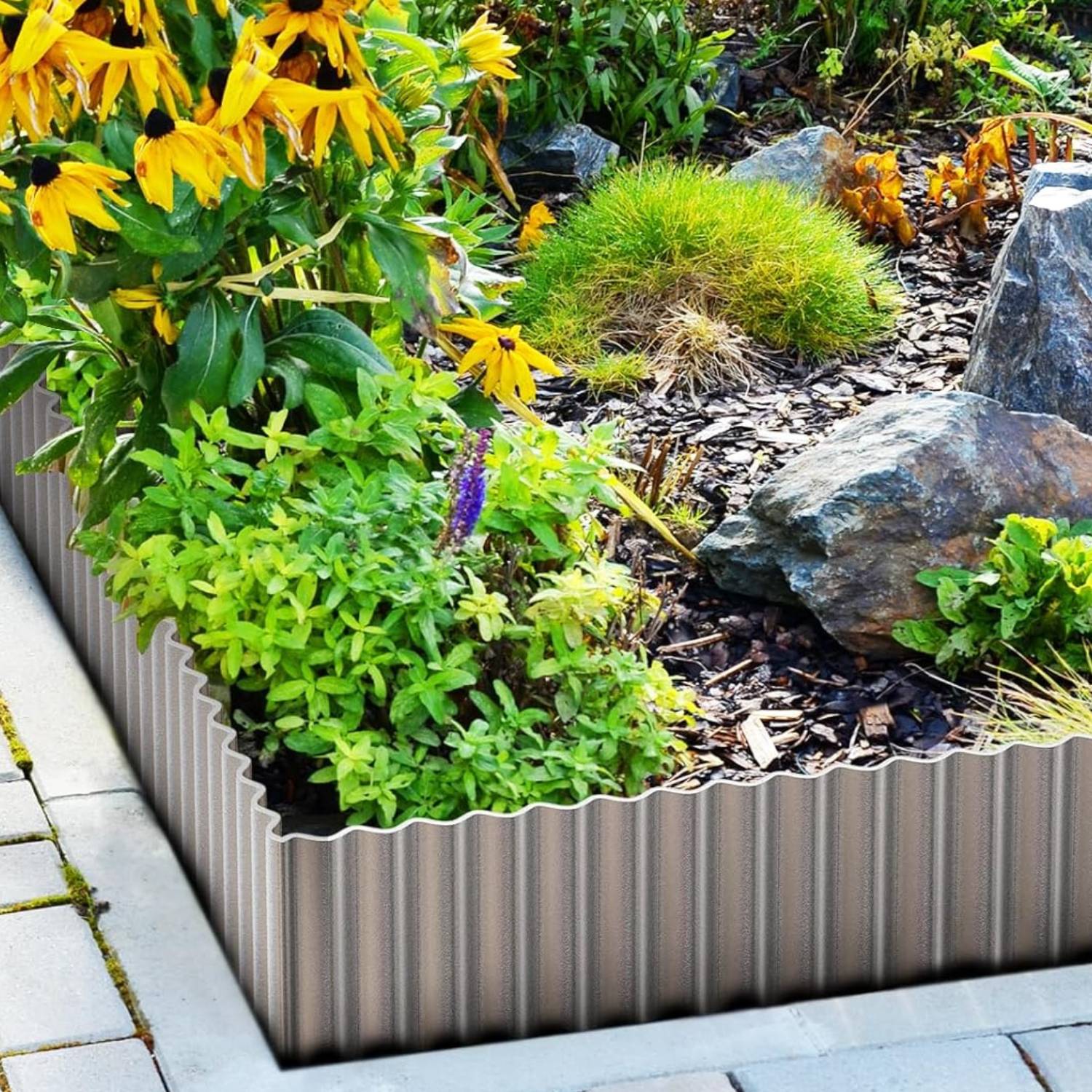
Metal edging provides clean, minimalist lines that complement both traditional and contemporary landscape designs without competing with plants or hardscape elements for visual attention. The material's inherent elegance enhances rather than dominates landscape compositions.
This design neutrality allows metal edging to support various landscape styles while providing the crisp definition that elevates amateur installations to professional standards.
Low Maintenance and Cost Effectiveness
While initial investment may exceed other materials, metal edging typically provides superior long-term value through minimal maintenance requirements and service life that often spans multiple decades without replacement needs.
The elimination of ongoing replacement costs, combined with reduced maintenance time, often makes quality metal edging more economical than seemingly cheaper alternatives over realistic ownership periods.
Types of Metal Garden Edging Materials
Understanding the characteristics of different metal types helps you select materials that match your aesthetic preferences, budget constraints, and environmental conditions.
Steel Edging: Strength and Affordability
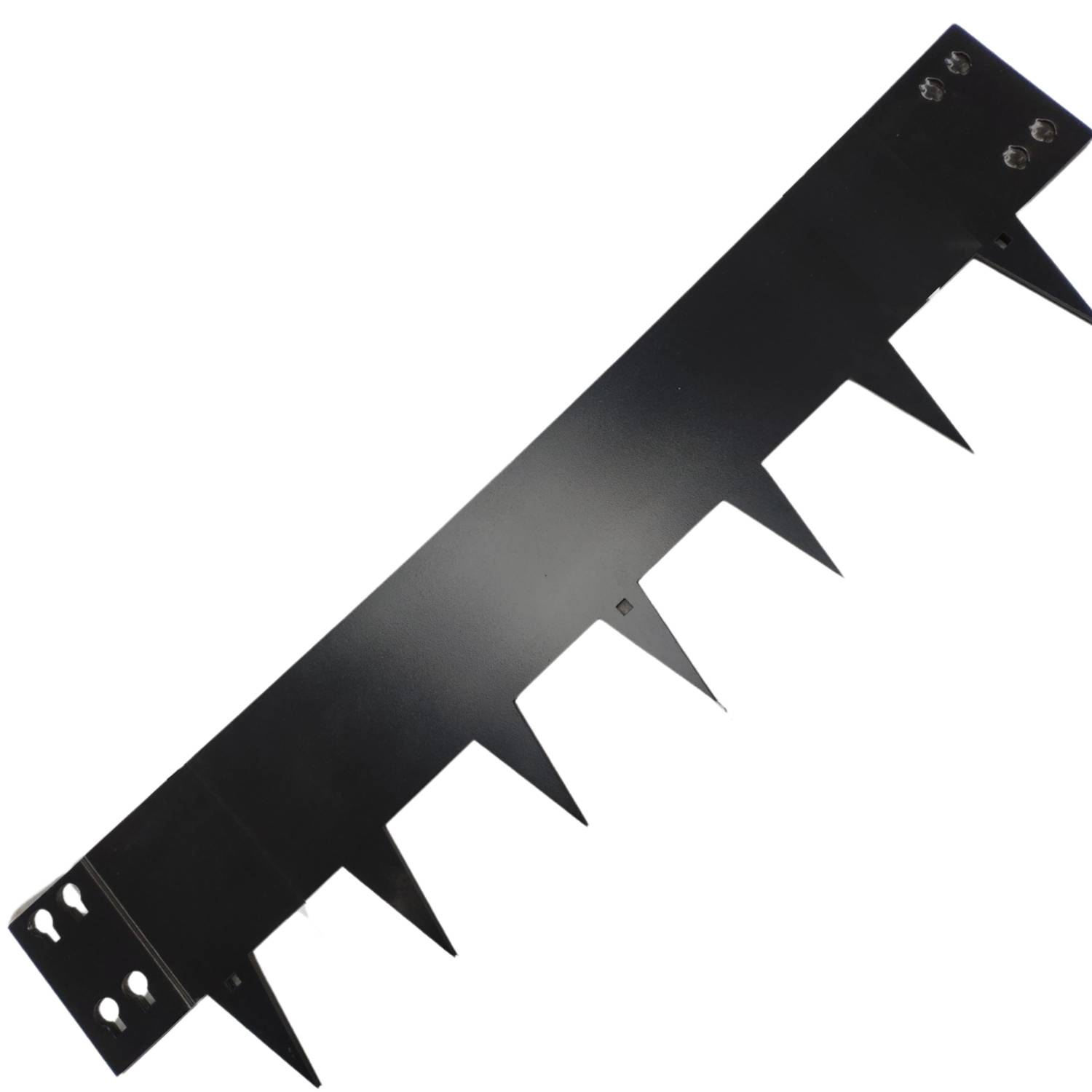
Steel edging offers maximum structural strength at competitive prices, making it an excellent choice for applications requiring superior holding power or resistance to mechanical damage. Modern coating technologies provide excellent corrosion resistance while maintaining steel's inherent strength advantages.
The best metal landscape edging in steel combines robust construction with protective finishes that ensure decades of reliable performance in demanding outdoor environments.
Aluminum Edging: Lightweight and Corrosion-Resistant
Aluminum edging provides excellent corrosion resistance and lighter weight that simplifies installation while offering adequate strength for most residential applications. The material's natural oxidation creates a protective layer that enhances rather than degrades performance over time.
Premium aluminum systems feature reinforced designs and architectural finishes that provide both functional excellence and sophisticated appearance suitable for high-end landscape installations.
Corten Steel: Weathering and Character
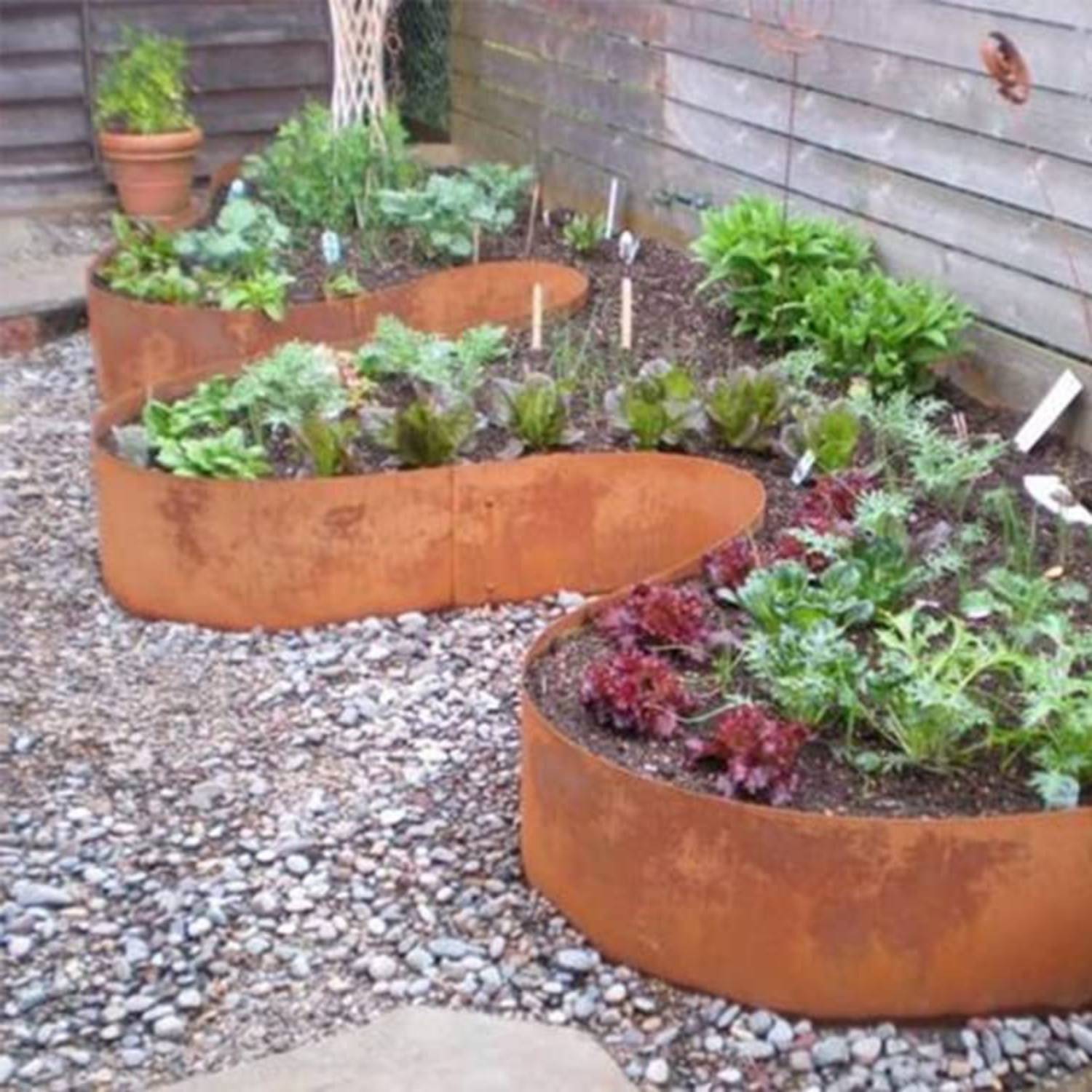
Corten steel develops a distinctive rust patina that stabilizes to provide long-term corrosion protection while creating unique aesthetic character that enhances with age. This material bridges the gap between industrial strength and artistic expression.
The weathering process creates visual interest that complements naturalistic designs while providing the structural performance needed for demanding landscape applications.
Design Styles and Aesthetic Considerations
Metal edging offers numerous design options that can enhance various landscape styles while providing the functional benefits of defined borders.
Modern and Contemporary Applications
Clean, geometric lines and minimalist profiles make metal edging ideal for modern landscape designs that emphasize simplicity and architectural integration. The material's industrial heritage complements contemporary design philosophies.
Sleek profiles and precise installation create the sharp, defined edges that characterize successful modern landscape designs while providing practical benefits that support long-term maintenance.
Traditional and Classical Integration
Decorative profiles and traditional finishes allow metal edging to complement classical landscape designs without appearing anachronistic or inappropriate for period-appropriate installations.
The best metal garden border options include profiles and finishes that honor traditional design principles while providing modern performance and longevity that historical materials cannot match.
Naturalistic and Organic Landscapes
Weathering steels and organic profiles allow metal edging to integrate with naturalistic designs where the material's aging characteristics enhance rather than compete with natural elements.
Thoughtful material selection and installation techniques can make metal edging virtually disappear while providing the functional benefits needed for successful naturalistic landscape management.
Key Features of Premium Metal Edging Systems
Shopping for quality metal edging requires understanding which features actually impact long-term performance versus those that are merely cosmetic enhancements or marketing claims.
Material Thickness and Structural Design
Material thickness directly affects structural integrity, installation ease, and long-term performance. Thicker materials provide better stability and damage resistance but may require more effort during installation.
Quality systems balance thickness with profile design to provide optimal strength-to-weight ratios that ensure reliable performance without unnecessarily complicating installation or increasing costs.
Coating Systems and Corrosion Protection
Advanced coating systems protect underlying metal while providing aesthetic options that complement various design schemes. Quality coatings maintain their protective properties and appearance through decades of outdoor exposure.
Look for coating systems with documented performance data and manufacturer warranties that demonstrate confidence in long-term durability and appearance retention.
Connection Methods and Joint Integrity
Joint design determines installation ease and long-term system integrity. Quality systems feature connection methods that create seamless appearances while maintaining structural continuity throughout the installation.
Premium connection systems accommodate thermal expansion and ground movement without compromising joint integrity or creating visual discontinuities that detract from professional appearance.
Installation Planning and Site Preparation
Successful metal edging installation requires careful planning and thorough site preparation that ensures optimal performance and professional appearance.
Layout Design and Measurement
Precise layout planning prevents waste and ensures smooth installation with properly positioned joints and clean transitions. Use professional layout techniques to achieve the precision that metal edging demands for optimal visual impact.
Take accurate measurements and plan joint locations to minimize waste while ensuring adequate material for proper installation without unnecessary splicing in highly visible areas.
Excavation and Trenching Requirements
Metal edging requires precise trenching that provides adequate depth and consistent width for stable installation. Trench quality directly affects installation ease and long-term performance.
Plan trenching depth to accommodate both the edging height and adequate below-ground anchoring that prevents movement and maintains alignment through seasonal ground changes.
Drainage and Ground Preparation
Proper drainage prevents water accumulation that can cause frost heaving and ground movement that compromises even well-installed edging systems.
Address drainage issues during site preparation rather than attempting to correct problems after installation when modifications are difficult and potentially expensive.
Professional Installation Techniques
Even the best metal garden edging won't deliver professional results without proper installation techniques and attention to detail that ensures lasting performance and appearance.
Proper Depth and Alignment Methods
Consistent installation depth ensures uniform appearance and performance while preventing weak spots that could fail under normal stress. Use professional alignment techniques to achieve the precision that metal edging demands.
Establish reference lines and grade stakes that guide installation accuracy and ensure consistent results throughout even extensive installations.
Joint Assembly and Connection Techniques
Proper joint assembly creates seamless installations that maintain structural integrity while achieving the clean lines that make metal edging visually superior to alternatives.
Follow manufacturer specifications for joint preparation and assembly to ensure connections that perform reliably through thermal cycling and ground movement.
Anchoring and Stabilization Methods
Adequate anchoring prevents movement and maintains alignment through challenging conditions that could displace inadequately secured installations.
Use appropriate anchoring methods for your soil conditions and climate to ensure installations that remain stable and aligned through decades of service.
Tool Requirements and Installation Equipment
Metal edging installation requires specific tools and equipment that ensure precise, efficient work and professional results.
Cutting and Shaping Tools
Quality cutting tools create clean, precise cuts that ensure proper joint fit and professional appearance. Invest in tools designed for your specific metal type to achieve optimal results.
Sharp, properly maintained cutting tools reduce installation time while ensuring clean cuts that contribute to professional appearance and proper joint function.
Installation and Anchoring Equipment
Appropriate installation tools make the work easier while ensuring proper technique that contributes to long-term installation success.
The best metal landscape edging installation requires tools that match the material specifications and installation requirements rather than attempting to adapt inappropriate equipment.
Measurement and Layout Instruments
Precision layout tools ensure accurate installation that achieves the clean lines and proper alignment that make metal edging visually superior to alternatives.
Invest in quality layout tools that support the precision required for professional-appearing metal edging installations.
Maintenance and Long-Term Care
While metal edging requires minimal maintenance compared to alternatives, proper care ensures decades of reliable performance and attractive appearance.
Cleaning and Appearance Maintenance
Regular cleaning removes debris and organic buildup that can obscure the clean lines that make metal edging effective and attractive.
Simple maintenance routines preserve the sophisticated appearance that justifies metal edging's premium positioning while requiring minimal time or specialized equipment.
Coating Maintenance and Protection
Periodic coating maintenance extends service life and maintains appearance standards that preserve your investment's aesthetic and functional value.
Understand coating requirements and maintenance schedules for your specific material to ensure optimal long-term performance and appearance retention.
Structural Inspection and Repair
Regular structural inspection identifies minor issues before they become major problems requiring extensive repair or replacement work.
Address small problems promptly when corrections are simple rather than allowing minor issues to develop into major structural failures.
Integration with Landscape Design Elements
The best metal garden border systems work seamlessly with various landscape elements to create cohesive designs that appear intentional and professionally planned.
Plant Selection and Garden Coordination
Choose plants and design elements that complement rather than compete with metal edging's clean lines and sophisticated appearance.
Consider how plant growth habits and seasonal changes will interact with your edging over time to ensure long-term design harmony and functionality.
Hardscape Integration and Transitions
Thoughtful integration with walkways, patios, and other hardscape elements creates seamless transitions that suggest professional design and installation.
Plan these connections during initial design phases rather than attempting to retrofit transitions that rarely achieve the same level of visual integration.
Lighting and Accent Integration
Metal edging can support integrated lighting and accent elements that enhance evening enjoyment while providing practical benefits for navigation and security.
Consider integration possibilities during initial planning to ensure proper infrastructure for future enhancements that maintain design coherence.
Cost Analysis and Investment Considerations
Understanding the economics of metal edging helps justify the investment in materials that provide superior long-term value despite higher initial costs.
Initial Investment vs. Lifecycle Costs
While metal edging typically requires higher initial investment than alternatives, the extended service life and minimal maintenance requirements often provide superior long-term value.
Factor in replacement costs, maintenance time, and the value of sustained appearance when comparing options over realistic ownership periods.
Property Value Impact and ROI
Quality landscape improvements, including professional-grade edging, typically provide excellent return on investment through enhanced property value and market appeal.
The sophisticated appearance that metal edging provides contributes to overall landscape quality that buyers recognize and value in today's competitive real estate markets.
Environmental Considerations and Sustainability
Metal edging supports sustainable landscape practices through longevity, recyclability, and minimal environmental impact during its extended service life.
Material Sustainability and Recycling
Metal materials offer excellent recyclability at end-of-life, making them environmentally responsible choices despite their industrial origins.
The extended service life of quality metal edging reduces replacement frequency and associated environmental impacts compared to shorter-lived alternatives.
Manufacturing and Transportation Impacts
Consider the environmental impact of manufacturing and transportation when selecting materials, balancing performance requirements with sustainability goals.
Local sourcing and efficient manufacturing processes can reduce environmental impact while supporting regional economies and reducing transportation requirements.
Troubleshooting Common Installation Challenges
Understanding common installation issues and their solutions helps ensure successful projects that meet performance and appearance expectations.
Dealing with Slopes and Irregular Terrain
Sloped and irregular terrain requires adapted installation techniques that maintain proper alignment and appearance while accommodating challenging ground conditions.
Plan installation methods that work with your terrain rather than fighting against natural contours that make standard techniques inappropriate.
Managing Thermal Expansion and Contraction
Metal materials expand and contract with temperature changes, requiring installation techniques that accommodate this movement without compromising joint integrity.
Understand thermal movement requirements for your climate and material selection to ensure installations that remain stable through extreme temperature variations.
Addressing Soil Movement and Settling
Ground movement and settling can affect even well-installed edging systems, requiring installation methods that accommodate normal soil movement without damage.
Choose installation techniques appropriate for your soil conditions and climate to ensure long-term stability and alignment.
Advanced Installation Techniques
Professional landscapers have developed advanced techniques that ensure superior installations and long-term performance in challenging conditions.
Complex Geometry and Custom Applications
Advanced planning and fabrication techniques allow for complex geometric designs and custom applications that would be difficult with standard materials.
These techniques expand design possibilities while maintaining the practical benefits that make metal edging attractive for sophisticated landscape applications.
Multi-Level and Terraced Installations
Terraced landscapes and multi-level designs require specialized installation approaches that maintain visual continuity while accommodating elevation changes.
Master these techniques to tackle complex projects that create dramatic landscape improvements with professional-quality results.
Innovation and Future Developments
The metal edging industry continues evolving with new alloys, coatings, and installation systems that promise to improve performance and expand application possibilities.
Advanced Coating Technologies
New coating systems offer improved durability, appearance options, and environmental performance while maintaining the structural benefits of metal substrates.
These advances promise even better long-term value from metal edging investments while addressing current limitations and expanding aesthetic options.
Smart Integration and Technology
Emerging technologies include edging systems with integrated sensors, lighting, or irrigation connections that expand functionality beyond simple border definition.
While still developing, these innovations suggest exciting possibilities for edging systems that provide comprehensive landscape infrastructure capabilities.
Safety Considerations and Best Practices
Safe installation practices prevent injuries while ensuring professional results that meet safety standards for residential and commercial landscapes.
Personal Protection and Tool Safety
Metal edging installation involves sharp materials and power tools that require appropriate safety equipment and awareness of potential hazards.
Use proper safety equipment and follow manufacturer recommendations for safe handling and installation practices that protect both installers and future users.
Edge Safety and Pedestrian Considerations
Consider pedestrian safety when planning edging height and profile, especially in areas with foot traffic or where children might play.
Balance functional requirements with safety considerations to create installations that provide necessary definition without creating hazards.
Conclusion
Mastering landscape definition with the best metal garden edging elevates your outdoor spaces to a level of sophistication and permanence that few other materials can achieve. When you invest in quality metal edging systems and master proper installation techniques, you're creating architectural elements that will define and enhance your landscape for decades while requiring minimal maintenance and providing lasting value that justifies the initial investment.
Remember that the best metal landscape edging for your specific application depends on factors far beyond simple cost comparisons or basic functionality. Your design goals, climate conditions, soil type, and long-term vision all influence which materials and installation approaches will serve you best. A thoughtful investment in premium metal edging provides the foundation for landscape designs that mature gracefully while maintaining the crisp, professional appearance that distinguishes exceptional outdoor spaces.
Whether you choose steel for maximum strength and value, aluminum for corrosion resistance and ease of installation, or weathering steel for unique aesthetic character, the key lies in selecting materials that match your actual needs and aesthetic vision. The right best metal garden border becomes permanent landscape infrastructure that supports your design goals while providing the durability and low maintenance that make sophisticated landscapes practical for busy homeowners. Choose wisely, install carefully, and enjoy the satisfaction that comes from creating outdoor spaces with the timeless elegance and lasting quality that only premium metal edging can provide.