
The complete guide
Buying Guide
Rake For The Garden | Lawn Grass Rake | Hand Rake
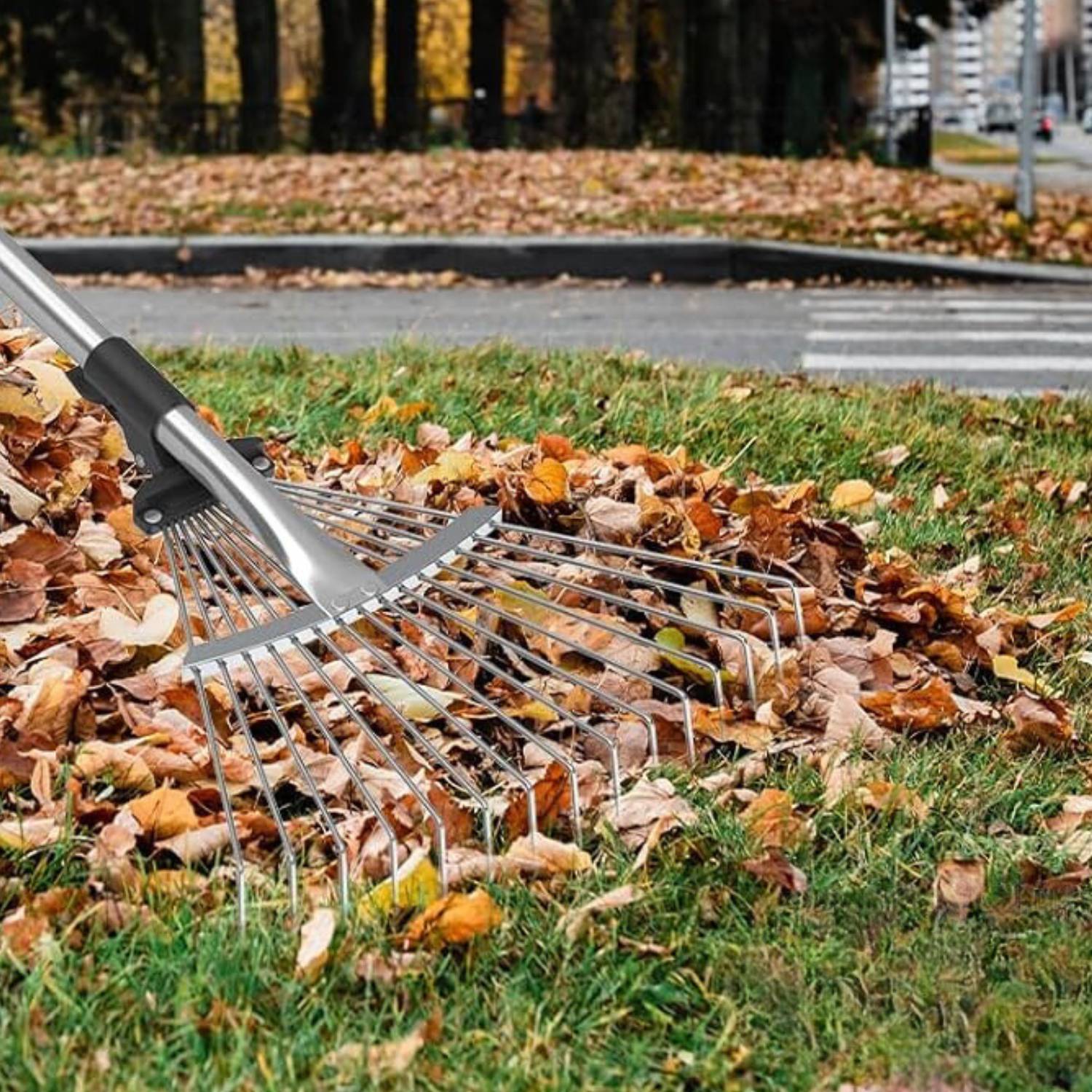
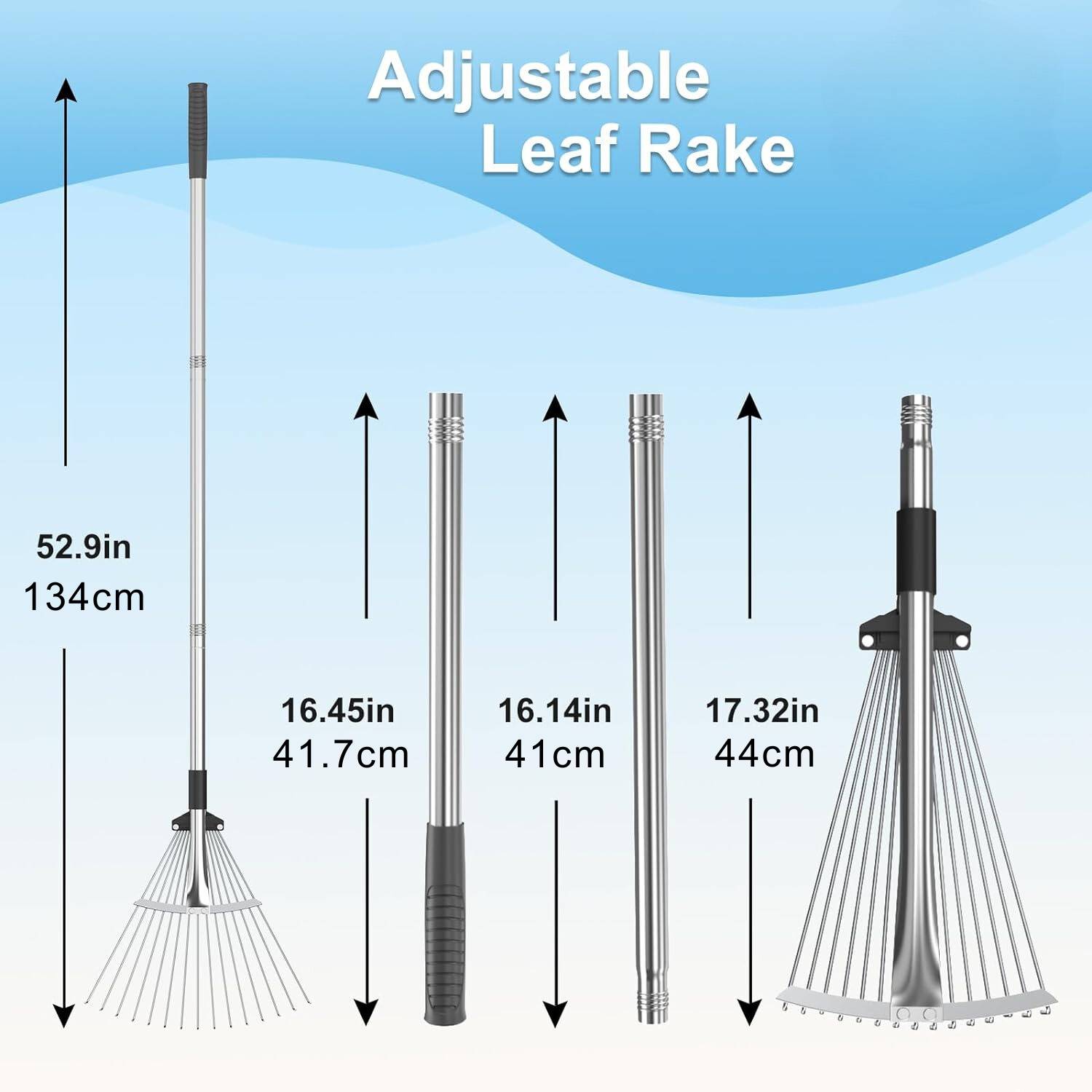
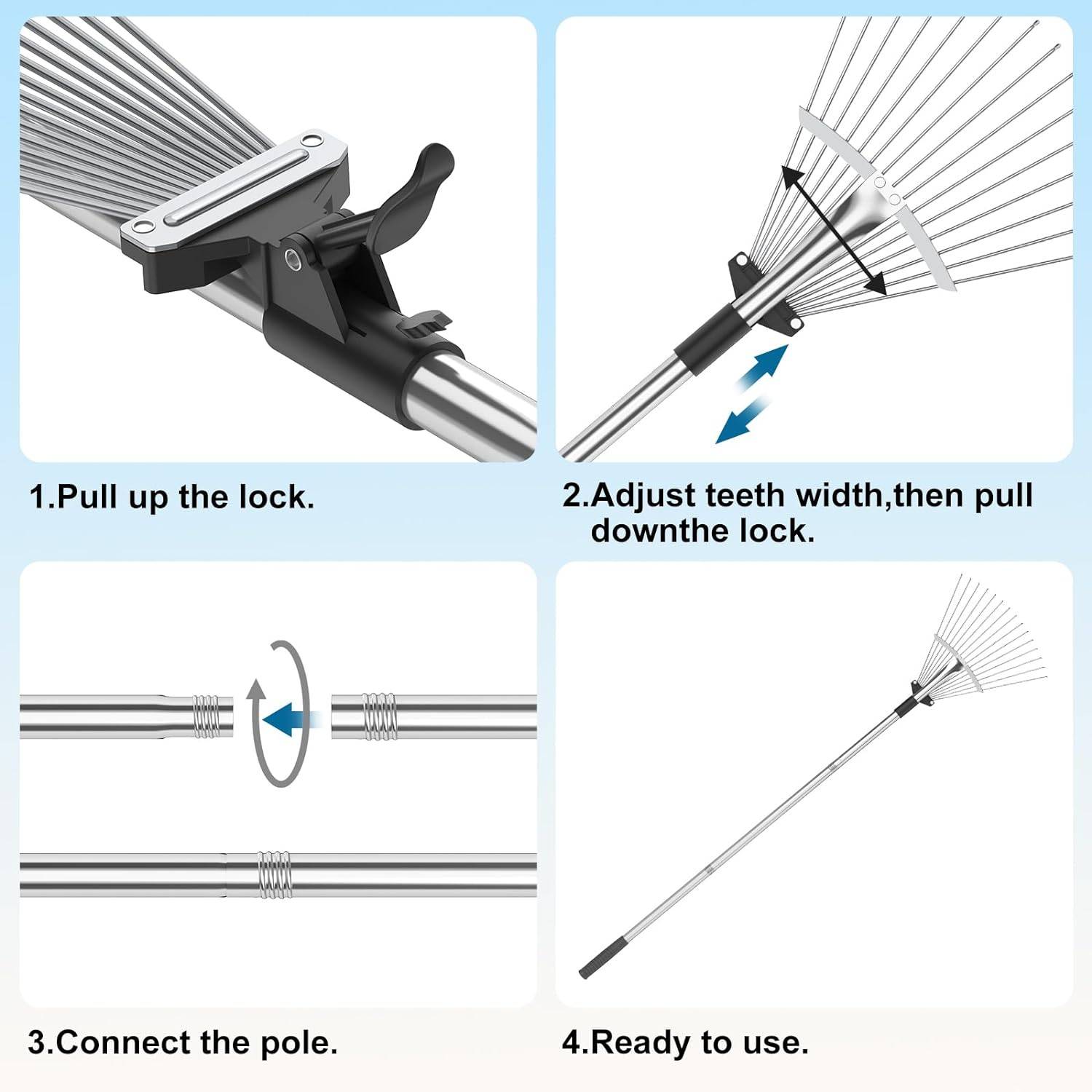
Metal adjustable rake ideal for raking leaves, grass clippings & other garden debrisQuick & easy to assemble. With an stainless steel adjustable working width, both coarse & fine material can be raked
INCLUDES FREE FAST SHIPPING ACROSS IRELAND ON ALL ORDERS OF €100+ or more (save €25)
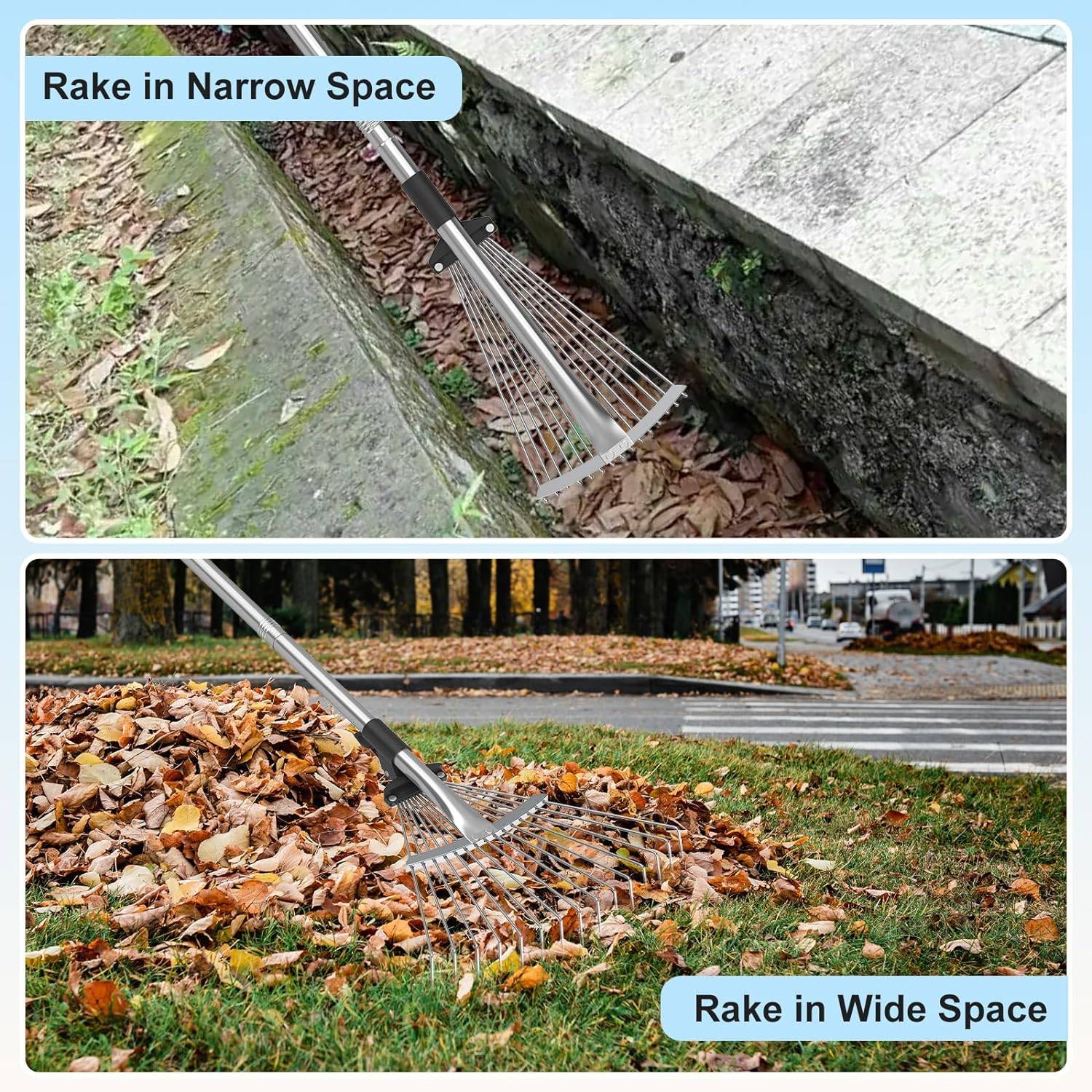
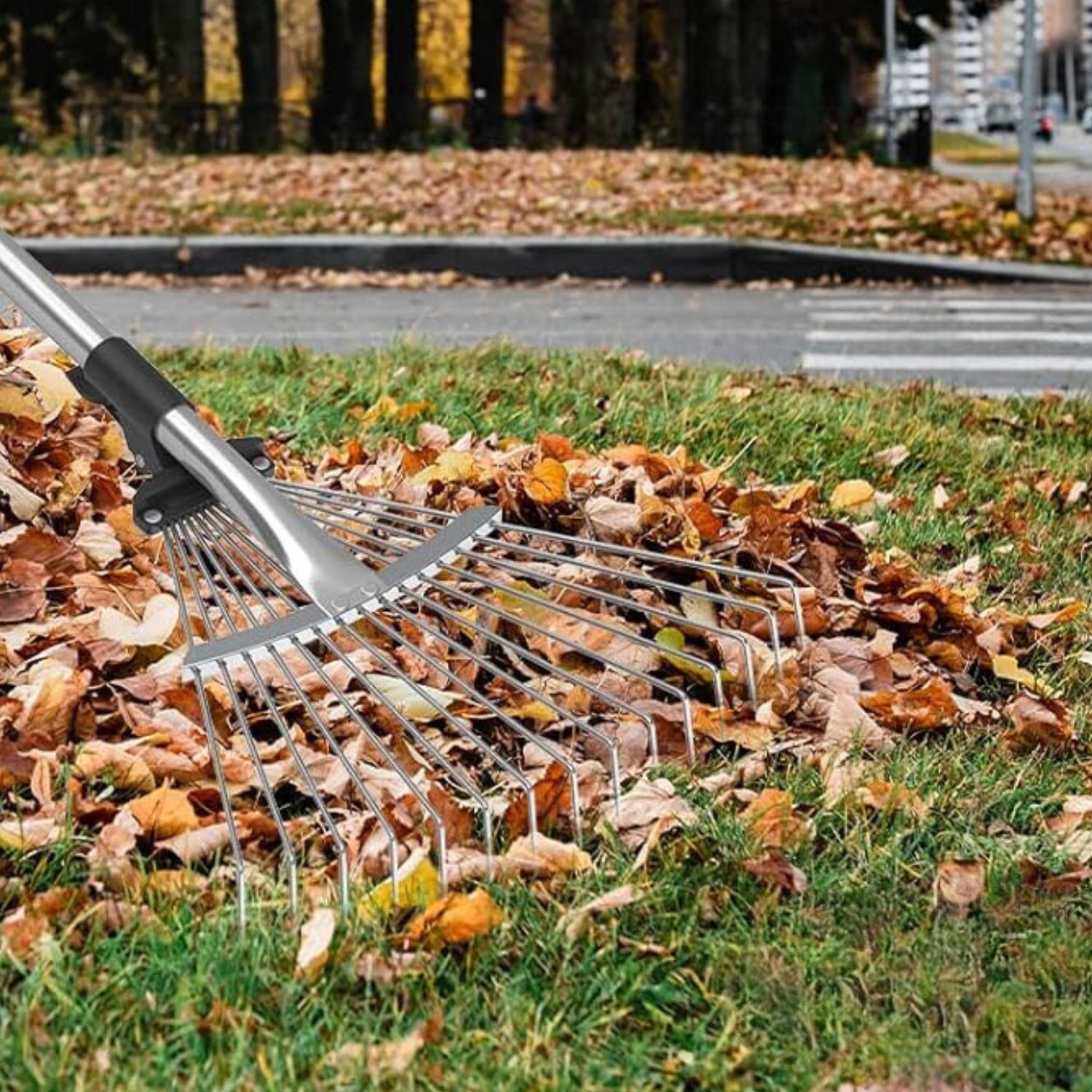
The stainless steel garden rake can be used in multiple scenarios such as cleaning fallen leaves, cleaning the roof, and loosening soil for flower beds, which is a very practical garden tool
SPECIFICATIONS
- Rake Weight - 1.76 lbs | 800gms
- Rake Width: Adjustable
Please allow 5-7 DAYS SHIPPING
Direct To Your Door - Across Ireland
Customer Service
For any questions regarding our products or for assistance with your order, please email and you will receive a response within 1 business day. Or use our customer website AI Bot for instant assistance
Email: theteam@customersupport.care
Shipping
Shipping time varies by location.
Ireland: 5-7 days * (This doesn’t include our 24-48 hour order handling & processing time)
You will receive an email with a tracking number once your order is shipped. For logistical reasons, items in the same purchase may be sent in separate packages.
Returns and support
Contact us before returning goods. Our published returns policy explains the return window, eligibility and any applicable charges. Rights that cannot legally be excluded remain unaffected.
Wide range of uses
The garden rake can be used in multiple scenarios such as cleaning fallen leaves, cleaning the roof, and loosening soil for flower beds, which is a very practical garden tool
Space saving
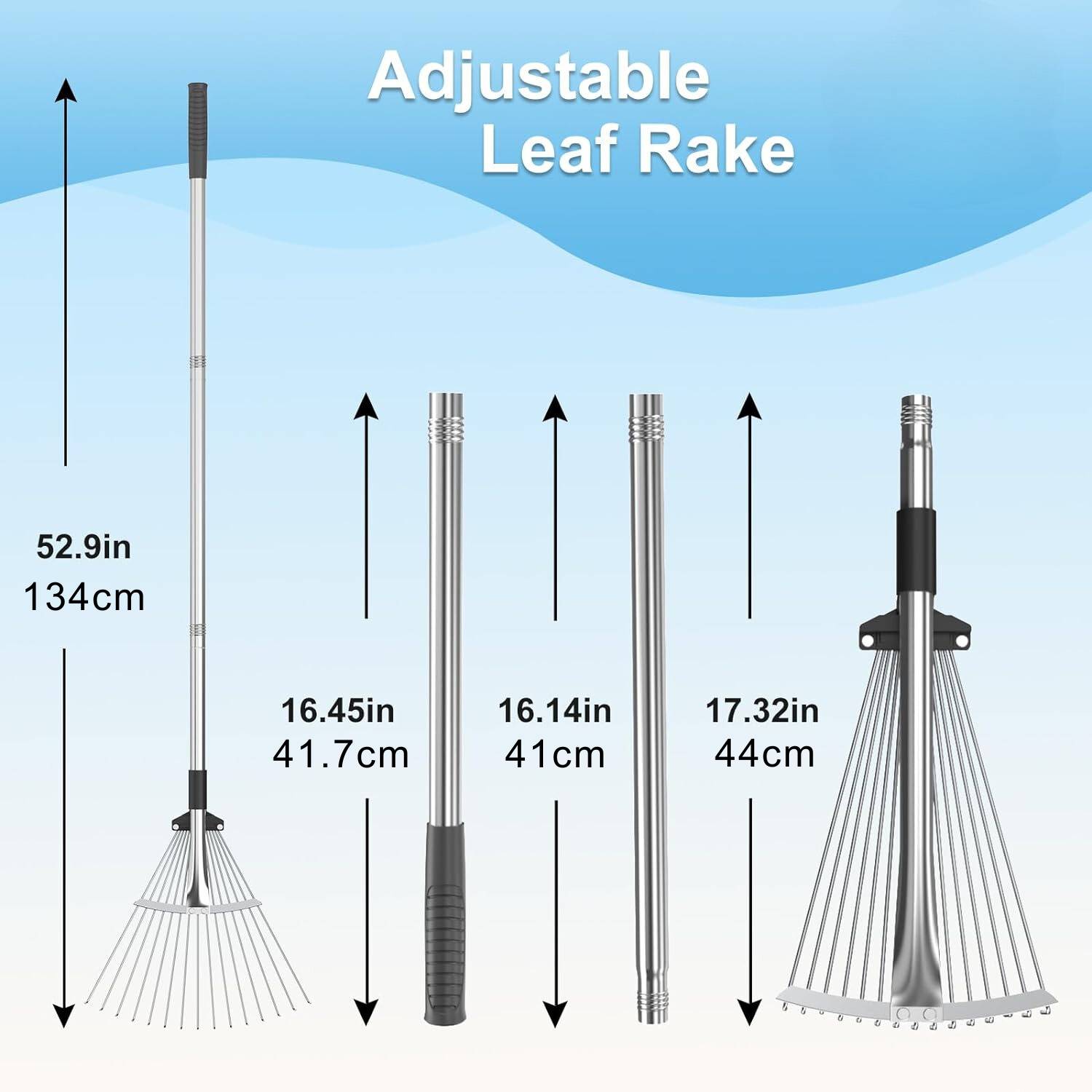
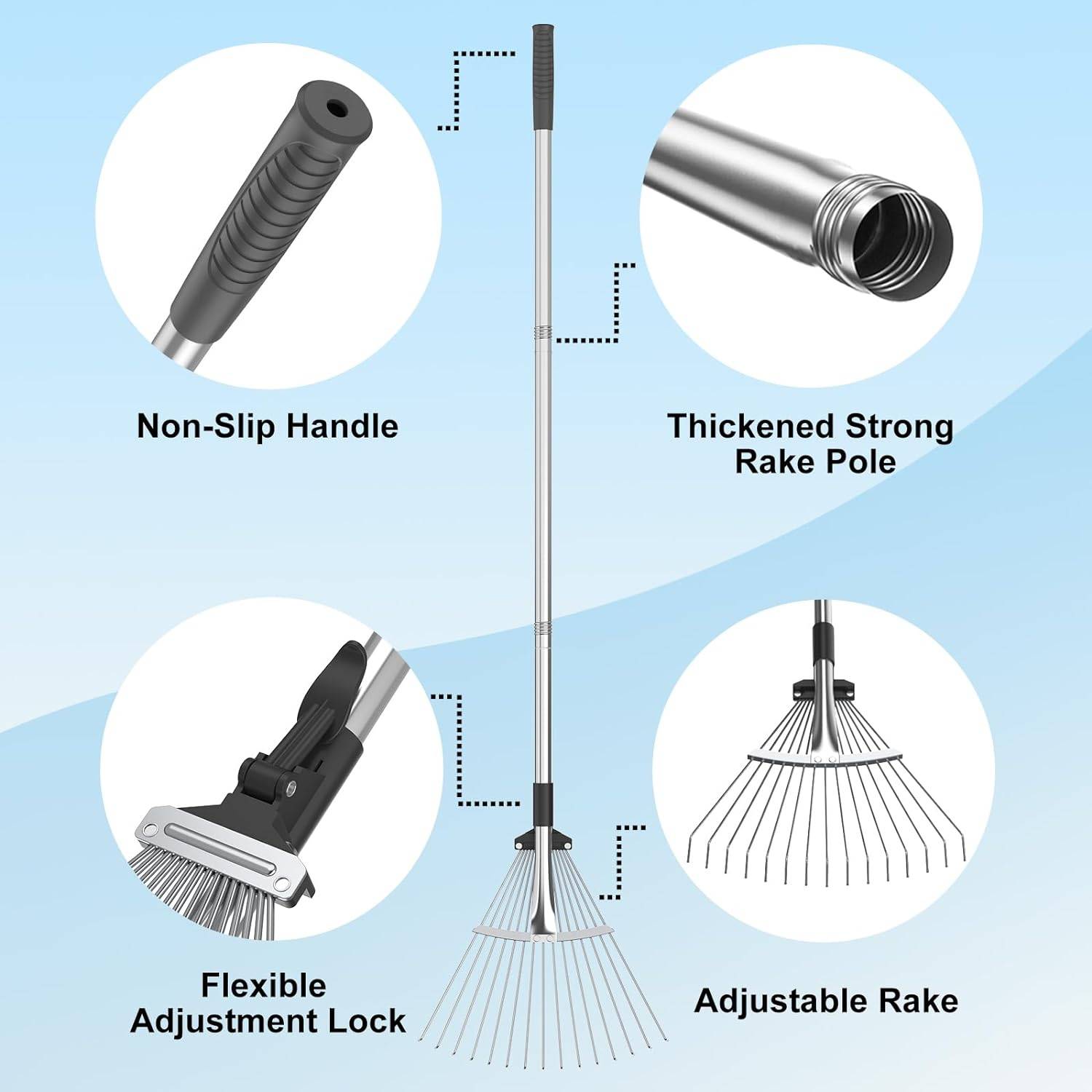
The leaf rake can be disassembled into three parts, saving storage space for youStainless steel material
The stainless steel material makes the product not easy to rust, stronger and has a long service lifeAdjustable rake head
The width of the rake head can be adjusted freely according to the width of the use site, which can clean narrow canals or clean spacious gardensPole with adjustable length
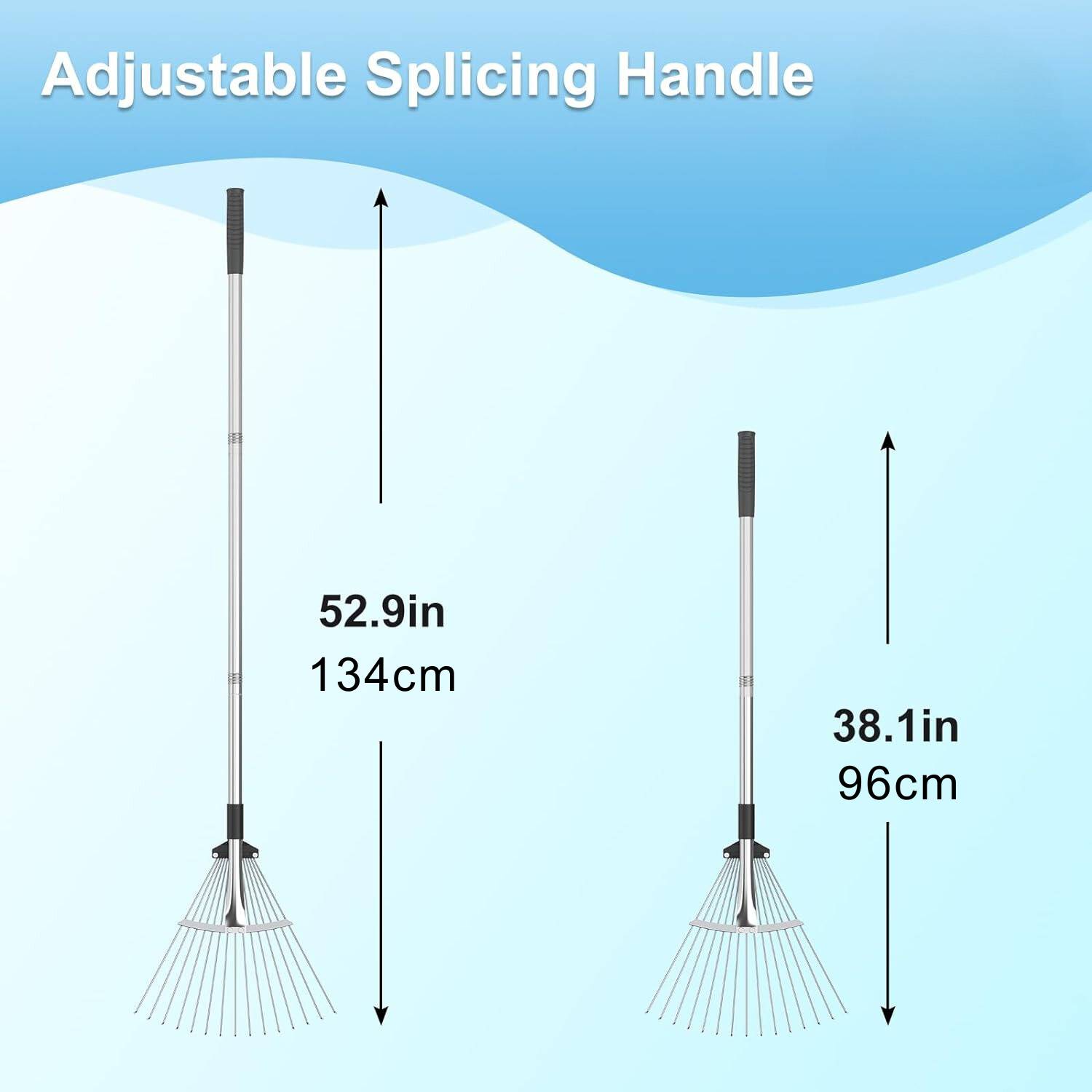
The pole is composed of two parts, and the length of the pole can be adjusted according to your height and usage habits by choosing the splicing method of the pole.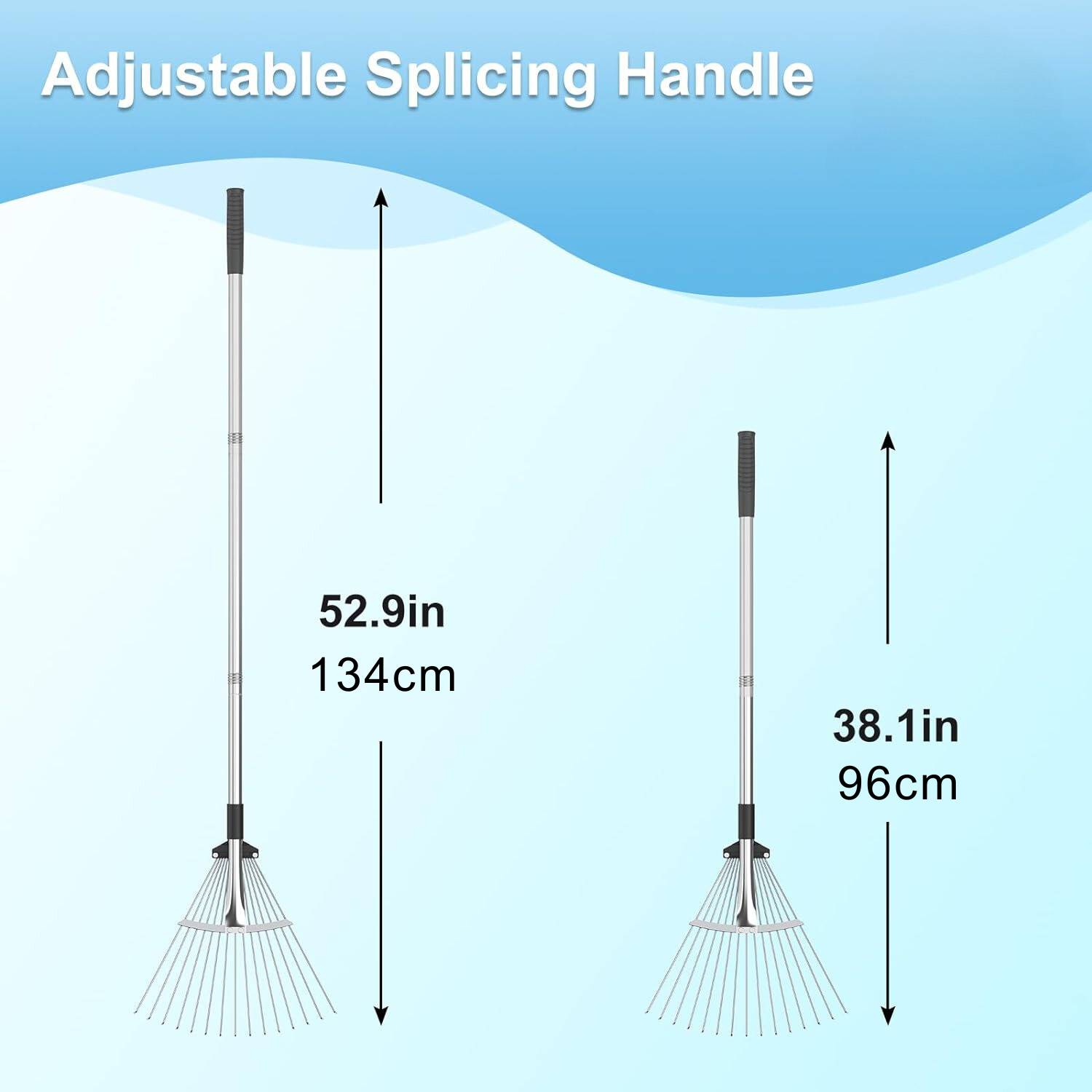

 Frequently Asked Questions

Best Rake For The Garden: The Ultimate Tool Selection Guide for Every Gardening Need
Every seasoned gardener knows that sinking feeling when autumn arrives and leaves begin their inevitable descent onto perfectly manicured lawns and carefully tended flower beds. But here's the thing - leaf cleanup doesn't have to be the backbreaking ordeal that sends you reaching for the heating pad. The secret lies in choosing the best rake for the garden that matches your specific needs, yard size, and physical capabilities.
Picture this scenario: you're standing in the tool aisle, surrounded by dozens of rakes that all look remarkably similar, yet somehow carry wildly different price tags. Some promise ergonomic comfort, others boast superior durability, and a few claim to revolutionize your entire yard maintenance routine. How do you separate the genuine game-changers from the marketing hype? The answer isn't as complicated as the manufacturers would have you believe.
Whether you're battling stubborn fall leaves, smoothing garden beds, or maintaining pristine lawn edges, the right rake becomes an extension of your hands - multiplying your efficiency while reducing the physical toll of garden maintenance. The best lawn grass rake for your neighbor might be completely wrong for your yard, and understanding these differences is the key to transforming tedious yard work into satisfying outdoor time.
Understanding Different Types of Garden Rakes
Not all rakes are created equal, and understanding the distinct categories helps you choose tools that excel at their intended tasks rather than settling for mediocre performance across multiple applications.
Leaf Rakes: The Fall Cleanup Champions
Traditional leaf rakes feature flexible tines designed to gather lightweight debris without damaging grass or delicate plants underneath. The best rake for the garden in this category combines lightweight construction with durable tines that maintain their spring through seasons of use.
Modern leaf rakes come in various tine materials, from traditional bamboo to synthetic polymers and metal alternatives. Each material offers distinct advantages: bamboo provides natural flexibility and quiet operation, while synthetic tines resist breaking and work well in wet conditions.
Lawn Rakes: Precision Grass Care Tools
Lawn rakes, also known as dethatching rakes, feature shorter, stiffer tines designed to penetrate grass canopy and remove dead material that inhibits healthy growth. These specialized tools require more physical effort but deliver results that dramatically improve lawn health and appearance.
The best lawn grass rake options feature precisely angled tines that work with your natural pulling motion to lift thatch and debris while minimizing damage to healthy grass crowns and root systems.
Garden Rakes: The Soil Preparation Specialists
Heavy-duty garden rakes feature rigid steel tines designed for soil preparation, bed leveling, and debris removal in cultivated areas. These workhorses handle tough jobs that would destroy lighter rakes, making them essential for serious gardening projects.
Garden rakes excel at breaking up soil clods, incorporating amendments, and creating smooth seedbeds that promote even germination and healthy plant establishment.
The Science of Rake Design and Performance
Understanding the engineering principles behind effective rake design helps you evaluate tools based on performance rather than just appearance or price point.
Tine Configuration and Spacing
Tine spacing dramatically affects rake performance for different applications. Closely spaced tines excel at fine debris collection but can clog when dealing with bulky material, while wider spacing handles larger debris efficiently but may miss smaller particles.
The angle and flexibility of tines determine how effectively they conform to ground contours and penetrate into grass or mulch layers. Quality rakes feature tines designed to maintain optimal angles throughout the working stroke.
Handle Ergonomics and Length Considerations
Proper handle length reduces bending and allows you to work in a more natural posture that minimizes strain on your back and shoulders. The best hand rake for detail work requires different ergonomic considerations than tools designed for large-area cleanup.
Handle materials affect both comfort and durability. Wood provides natural shock absorption and comfortable grip, while fiberglass offers superior strength-to-weight ratios and weather resistance.
Choosing the Right Rake Size for Your Property
Size selection significantly impacts both efficiency and user satisfaction. The ideal rake matches your property's scale and your physical capabilities for optimal performance.
Small Garden and Precision Work Applications
Compact gardens and detailed landscape work benefit from smaller, more maneuverable rakes that excel in tight spaces around plants and decorative features. These tools sacrifice some coverage for precision and control.
The best hand rake options for small-scale work feature comfortable grips and balanced designs that reduce fatigue during extended detail sessions while providing the control needed for delicate work around valuable plants.
Large Property and Production Raking
Extensive properties require rakes with wider coverage and efficient design that reduces the time and effort needed for comprehensive cleanup. Larger tools may feel unwieldy initially but dramatically reduce total work time for big jobs.
Consider your property's total area and typical debris load when selecting rake size. A tool that seems large in the store may prove perfectly appropriate when facing acres of fallen leaves.
Material Quality and Construction Features
Understanding construction quality helps ensure your investment in the best rake for the garden delivers years of reliable performance rather than becoming a frustrating waste of money.
Tine Materials and Durability
Steel tines offer maximum durability and maintain their shape through heavy use, making them ideal for tough applications like soil preparation and debris removal. However, steel adds weight and can damage delicate surfaces.
Polymer and composite tines provide excellent flexibility and lighter weight while resisting breakage better than natural materials. These modern materials often outperform traditional options in specific applications.
Handle Construction and Connection Systems
The connection between handle and rake head represents the highest stress point in any rake design. Quality tools feature reinforced connections that distribute stress evenly and resist loosening over time.
Look for solid wood handles with tight, straight grain patterns, or fiberglass alternatives with comfortable grip areas. Avoid handles with visible defects, loose connections, or uncomfortable grip sections.
Hardware and Fastener Quality
Premium rakes feature corrosion-resistant fasteners and hardware that maintain their integrity through seasons of outdoor use and storage. Cheap hardware fails quickly and can render otherwise quality tools unusable.
Seasonal Raking Strategies and Techniques
Effective raking involves more than just moving debris around - it requires understanding optimal timing, technique, and tool selection for different seasonal challenges.
Spring Lawn Preparation and Cleanup
Spring raking removes winter debris and dead grass that can inhibit new growth. This critical seasonal task requires the right balance of aggressive debris removal without damaging emerging grass shoots.
The best lawn grass rake for spring work features tines designed to lift debris while allowing healthy grass to pass through unharmed. Timing matters - wait until grass begins active growth but before it becomes too lush to rake effectively.
Summer Maintenance and Precision Work
Summer raking focuses on maintenance tasks like smoothing mulch, cleaning garden beds, and preparing planting areas. These precision tasks require different tools and techniques than bulk debris removal.
Hot weather demands efficient technique and appropriate tool selection to minimize physical stress while maintaining garden appearance throughout the growing season.
Fall Leaf Management and Cleanup
Fall represents the peak raking season when tool performance and technique most directly impact your outdoor enjoyment. Efficient leaf management prevents lawn damage while preparing your property for winter.
Develop systematic approaches that minimize repeated handling of the same debris. Work with prevailing winds when possible, and consider multiple cleanup sessions rather than attempting to handle the entire season's leaf drop in one exhausting marathon.
Maintenance and Care for Maximum Longevity
Proper maintenance transforms any quality rake into a lifelong tool. Even the best rake for the garden requires regular care to maintain peak performance and prevent premature failure.
Cleaning and Storage Best Practices
Clean rakes after each use to prevent debris buildup that can harbor moisture and promote corrosion. A simple rinse and thorough drying prevents most maintenance issues while extending tool life significantly.
Store rakes in dry locations away from ground contact. Hanging storage protects tines from damage while preventing handle warping that can occur when tools are stored improperly.
Handle Maintenance and Replacement
Wooden handles require periodic treatment with appropriate oils or finishes to prevent cracking and maintain smooth, splinter-free surfaces. Sand rough spots promptly to prevent hand injuries and handle deterioration.
Many quality rakes feature replaceable handles, allowing you to restore worn tools rather than purchasing complete replacements. Learn to recognize when handle replacement is more economical than buying new tools.
Tine Care and Adjustment
Bent tines can often be straightened carefully, extending tool life and maintaining performance. However, repeatedly bent tines may indicate that you're using the wrong tool for your application or pushing beyond design limits.
Some rakes allow tine replacement or adjustment, providing long-term value for tools that see heavy use or occasional abuse.
Ergonomic Considerations for Different Users
The best hand rake for one person may be completely inappropriate for another due to differences in height, strength, and physical limitations.
Height and Reach Optimization
Proper rake length allows you to work in a comfortable, upright posture that minimizes back strain and maximizes efficiency. Too short forces excessive bending, while too long creates awkward leverage that increases fatigue.
Some manufacturers offer multiple handle lengths or adjustable systems that accommodate different users or working conditions. Consider who will be using the tool when selecting handle length.
Strength and Mobility Adaptations
Users with limited strength or mobility benefit from lightweight designs and ergonomic features that reduce the physical demands of raking work. These features can extend gardening years and maintain enjoyment in outdoor activities.
Look for rakes with cushioned grips, reduced weight, and design features that minimize the effort required for effective debris collection and movement.
Specialized Raking Applications and Techniques
Beyond basic leaf cleanup, quality rakes serve numerous specialized functions that can improve your overall gardening efficiency and results.
Seedbed Preparation and Soil Smoothing
Garden rakes excel at creating smooth, level seedbeds that promote even germination and healthy plant establishment. Proper technique involves working systematically to eliminate high and low spots while maintaining appropriate soil texture.
The best lawn grass rake can also prepare areas for grass seeding by creating optimal soil surface conditions and ensuring good seed-to-soil contact for successful establishment.
Mulch Management and Bed Maintenance
Rakes provide precise control for spreading mulch evenly and maintaining consistent depth throughout garden beds. This application requires tools that can work in tight spaces around plants without causing damage.
Regular mulch grooming with appropriate rakes prevents compaction and maintains the attractive appearance that makes mulched beds such desirable landscape features.
Thatch Removal and Lawn Health
Specialized dethatching rakes remove the layer of dead grass and debris that can accumulate and inhibit healthy lawn growth. This challenging application requires sturdy tools and proper technique to achieve results without damaging healthy grass.
Cost Analysis and Investment Planning
Understanding the relationship between price and performance helps ensure you get the best rake for the garden within your budget while avoiding costly mistakes.
Budget vs. Premium Tool Comparison
Entry-level rakes can provide adequate performance for light, occasional use, while premium tools offer enhanced comfort, durability, and efficiency that justify higher prices for serious gardeners.
Consider your raking frequency and intensity when making budget decisions. Tools used weekly throughout the growing season warrant higher investment than those needed only for annual cleanup tasks.
Long-Term Value and Replacement Costs
Quality rakes often provide decades of service, making their cost-per-use remarkably low compared to cheaper alternatives that require frequent replacement.
Factor in the broader costs of garden tool ownership, including storage requirements and maintenance needs, when evaluating different price points and quality levels.
Safety Considerations and Best Practices
While raking appears straightforward, proper safety awareness prevents injuries and ensures enjoyable outdoor work sessions.
Proper Body Mechanics and Technique
Use correct body mechanics to prevent strain and injury during extended raking sessions. Keep your back straight, use your legs for power, and avoid twisting motions that can cause back problems.
Take regular breaks during intensive raking work, and alternate between different tools or techniques to prevent repetitive stress injuries that can develop over time.
Weather and Environmental Awareness
Wet leaves can be surprisingly heavy and slippery, creating hazardous working conditions that require adjusted technique and increased caution. Plan raking activities around weather conditions for both safety and efficiency.
Be aware of hidden obstacles like rocks, roots, or garden hoses that can catch rake tines and cause sudden stops that may result in injury or tool damage.
Environmental Impact and Sustainability
Choosing quality manual rakes supports sustainable gardening practices while providing excellent performance for conscious gardeners.
Sustainable Materials and Manufacturing
Many premium rake manufacturers offer tools made from sustainably harvested wood and recyclable materials that reduce environmental impact without compromising performance.
The long service life of quality rakes makes them inherently sustainable compared to disposable alternatives that require frequent replacement and generate ongoing waste.
Organic Debris Management
Proper raking techniques support organic gardening approaches by efficiently collecting materials for composting while preserving beneficial insects and soil organisms.
The best hand rake allows for selective debris removal that supports ecosystem health while maintaining garden appearance and plant health.
Professional Tips and Advanced Techniques
Professional landscapers have developed techniques that maximize efficiency while delivering consistently superior results with manual raking equipment.
Systematic Approaches for Large Areas
Develop systematic patterns that minimize wasted motion and ensure complete coverage without excessive overlap. Professional techniques can dramatically reduce the time and effort required for comprehensive property maintenance.
Work with natural wind patterns and topography to make debris movement easier and more efficient. Plan your approach before beginning work to avoid unnecessary handling of materials.
Tool Combinations and Workflow Optimization
Using multiple rake types in coordinated sequences can dramatically improve efficiency for complex cleanup projects. Understanding when to switch tools and how to stage work optimizes your overall productivity.
The best lawn grass rake might excel at initial debris loosening, while a different tool proves more efficient for final collection and removal phases.
Troubleshooting Common Raking Problems
Understanding common issues and their solutions helps you maintain peak performance from your raking equipment while avoiding frustration.
Tine Clogging and Debris Buildup
Wet or sticky debris can clog rake tines, reducing effectiveness and increasing required effort. Learn to recognize conditions that promote clogging and adjust your technique accordingly.
Regular cleaning during use prevents excessive buildup that can make raking work unnecessarily difficult and potentially damage your tools.
Handle Loosening and Connection Issues
Loose connections between handles and rake heads affect performance and can lead to complete tool failure. Regular inspection and maintenance prevent most connection problems.
Learn to recognize early signs of connection problems and address them promptly before they result in tool failure during critical work periods.
Storage Solutions and Organization
Proper storage extends tool life while keeping your raking equipment organized and accessible when needed.
Space-Efficient Storage Systems
Rakes require thoughtful storage solutions that protect their working surfaces while utilizing space efficiently. Wall-mounted systems work well for most situations while keeping tools easily accessible.
Consider your available storage space and access needs when planning rake storage. Tools that are difficult to retrieve often remain unused when they would be most beneficial.
Protection from Damage and Weather
Protect rakes from moisture, extreme temperatures, and physical damage during storage. Simple protective measures dramatically extend tool life and maintain performance.
Organize tools by frequency of use and seasonal requirements to ensure the right equipment is readily available when needed most.
Conclusion
Selecting the best rake for the garden transforms one of gardening's most fundamental tasks from tedious drudgery into satisfying outdoor work that enhances both your property's appearance and your connection to the natural world. The right rake becomes an extension of your intentions, efficiently gathering debris while working in harmony with your body's natural movements and your garden's specific needs.
Remember that the best lawn grass rake for your specific situation depends on factors far beyond simple price comparisons or marketing claims. Your property's size, terrain, typical debris load, and your own physical capabilities all play crucial roles in determining which tools will serve you best. A thoughtful investment in quality equipment pays dividends through decades of reliable service, while poor choices lead to frustration, fatigue, and frequent replacement costs.
Whether you choose a traditional leaf rake for seasonal cleanup, a specialized dethatching tool for lawn health, or a precision best hand rake for detailed garden work, the key lies in matching tool capabilities to your actual needs rather than trying to make one tool handle every situation. Quality rakes reward proper selection with years of efficient, comfortable service that makes garden maintenance a pleasure rather than a chore. Choose wisely, maintain properly, and enjoy the satisfaction that comes from working with tools designed to help you create and maintain the outdoor spaces that bring you joy.